
Signs you may need a root canal
- A severe toothache, especially when you chew or press on the tooth
- Sensitivity to hot or cold that lingers after the temperature is gone
- A tooth that has darkened in color
- Swollen or tender gums, or a small bump (like a pimple) on the gum near a tooth
- A deep cavity, a crack or chip, or a tooth that was injured
Sometimes there are no symptoms at all, and the problem shows up on an x-ray at a routine checkup. That is one more reason regular visits matter.
What a root canal is
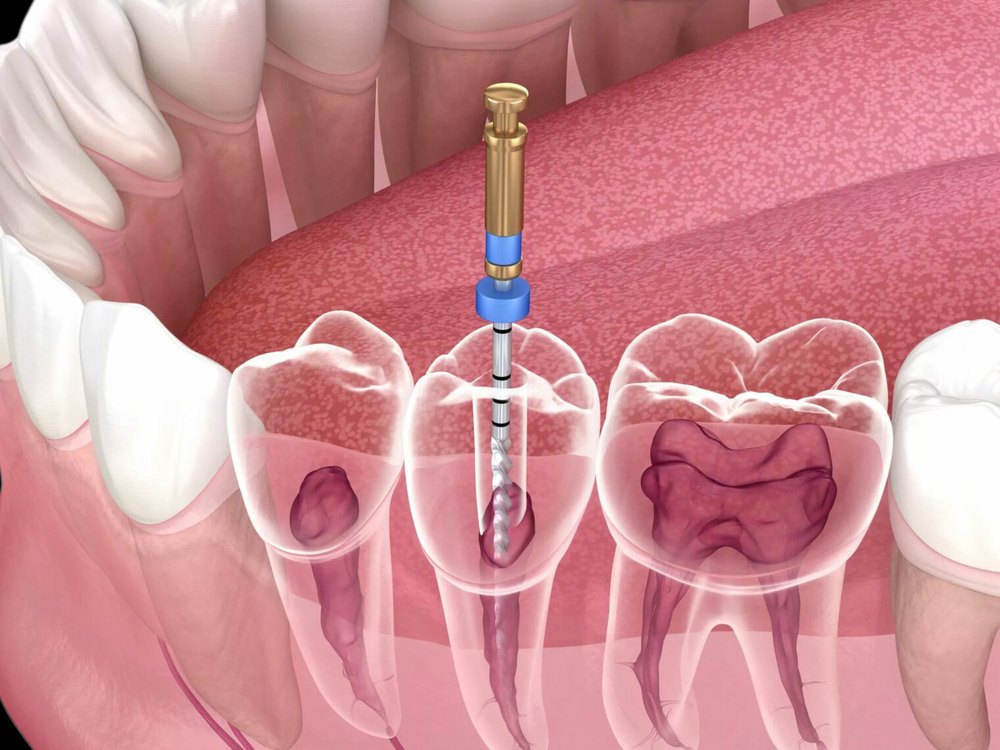
Inside every tooth is soft tissue called pulp, which contains nerves and blood vessels. When bacteria reach it, through deep decay, a crack, or an injury, the pulp can become infected. That causes pain and can lead to an abscess. A root canal removes the damaged pulp, cleans and disinfects the inside of the tooth, and seals it. Without treatment, the infection can spread and the tooth may be lost.
What to expect
- Exam and x-rayWe confirm the diagnosis and look at the shape of the roots.
- NumbingWe make sure the area is fully numb so you are comfortable during treatment.
- Cleaning the canalsThrough a small opening in the tooth, we remove the infected pulp and clean and shape the canals.
- Filling and sealingThe cleaned canals are filled with a biocompatible material and sealed to keep bacteria out.
- Restoring the toothA filling or crown protects the tooth. Back teeth in particular usually need a crown for strength.
Why save the natural tooth?
- You keep your own tooth for chewing and a natural look.
- Neighboring teeth stay in place instead of drifting into the gap.
- It is often simpler than removing the tooth and replacing it with a bridge or an implant.
Frequently asked questions
Is a root canal painful?
With modern anesthesia, most people say the treatment feels similar to getting a filling. The pain people associate with root canals usually comes from the infection itself, not the treatment. Some tenderness for a few days afterward is normal.
How long does a root canal take?
Most are finished in one or two visits, and each visit usually takes about an hour to an hour and a half. Back teeth have more canals and can take longer.
Will I need a crown afterward?
Often, yes, especially for back teeth that handle heavy chewing forces. Front teeth sometimes only need a filling. We will recommend what is best for your tooth.
What happens if I do not get treatment?
The infection can spread to the bone and surrounding tissue, causing an abscess, more pain, and eventually loss of the tooth. If you have facial swelling that is spreading, a fever, or trouble breathing or swallowing, go to the emergency room right away.
What can I eat after a root canal?
Wait until the numbness wears off before eating. Stick to softer foods and avoid chewing on the treated tooth until it has its final filling or crown.
Do you offer emergency appointments for tooth pain?
Yes. If you are in pain, call the office nearest you (Winter Park (407) 960-7999 or Oviedo (407) 542-7888) as early in the day as you can. See our emergency dentist page for what to do until you are seen.