
Types of dentures
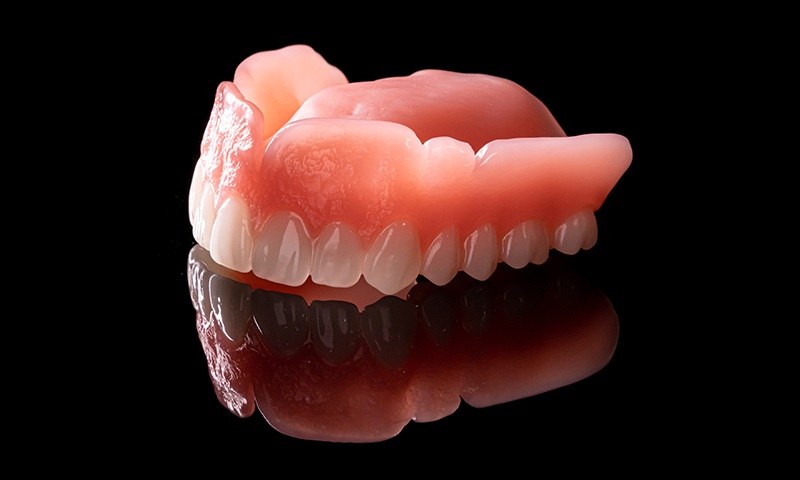
Complete (full) dentures
Replace all of the upper teeth, the lower teeth, or both.
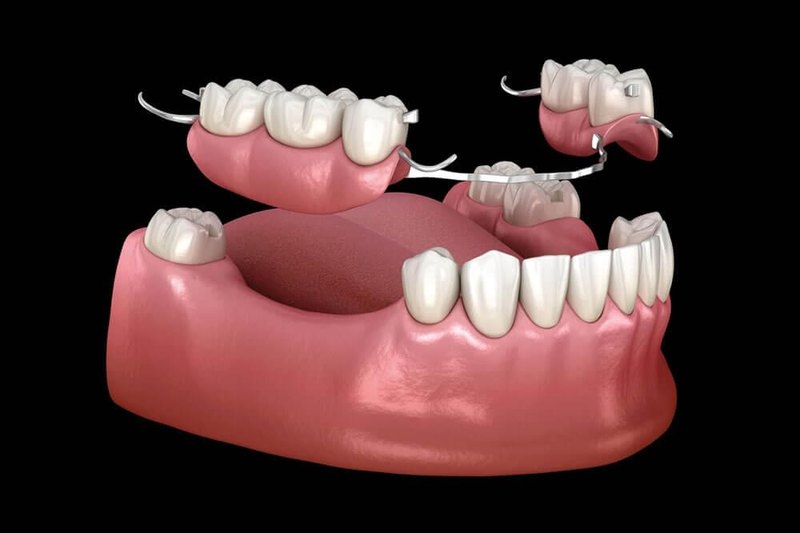
Partial dentures
Fill the gaps when you still have some healthy natural teeth, and attach to those teeth for support.
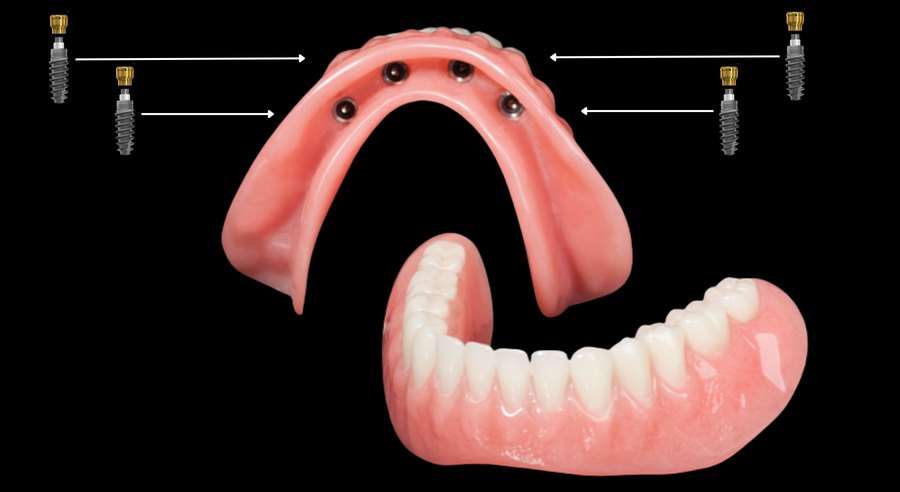
Implant-supported dentures
Snap onto dental implants for extra stability.
Immediate dentures
Placed the day teeth are removed, so you are never without teeth, and adjusted as your gums heal.
At your visit we will talk through which option fits your health, your goals, and your budget.
Is a denture right for you?
Dentures are a good option if you are missing most or all of your teeth, if your remaining teeth are too damaged to save, or if you want a removable, more affordable way to replace teeth. If you would like something more fixed in place, we can also discuss implants and bridges.
From first visit to final fit
- Exam and planningWe check your teeth, gums, and jaw, and let you know if any teeth need to be removed or any other treatment is needed first.
- Impressions and measurementsWe take impressions and bite records so your dentures fit your mouth and your bite.
- Try-inYou see and feel the dentures before they are finished, so we can adjust the look, shade, and fit.
- Delivery and fittingWe place your finished dentures and show you how to put them in, take them out, and care for them.
- Follow-up adjustmentsSore spots are common in the first weeks. Come back and we will adjust the fit until it is comfortable.
Living with dentures
- Start with soft foods and small bites, then add more variety as you get comfortable.
- Speaking usually gets easier with practice. Reading aloud can help.
- Take your dentures out at night, brush them daily with a denture cleaner, and keep them in water or a denture solution when they are out.
- Keep brushing your gums and tongue, and keep your regular checkups. Your gums and jaw change over time, so dentures may need a reline or adjustment.
Frequently asked questions
How long does it take to get used to dentures?
Many people feel comfortable within a few weeks, though it can take longer. Sore spots are common early on and are easily adjusted, so do not wait to call us if something rubs.
Will I be able to eat normally with dentures?
Most people return to a varied diet. Start with soft foods and build up. Very hard or sticky foods can stay tricky, and lower dentures are usually less stable than upper ones. Implant-supported dentures can help if stability is a concern.
How long do dentures last?
Dentures commonly last around five to ten years before they need to be replaced, but your gums and jawbone change shape over time, so relines and adjustments along the way are normal.
Should I sleep in my dentures?
In most cases we recommend taking them out at night to give your gums a rest and lower the risk of irritation and infection. We will tell you what is best for your mouth.
Do I need denture adhesive?
Well-fitting dentures often need little or none. If yours feel loose, come in rather than relying on adhesive. A reline or adjustment can often fix the problem.
What is the difference between a partial and a complete denture?
A partial denture replaces some teeth and uses your remaining natural teeth for support. A complete denture replaces every tooth in the upper or lower arch and rests on the gums.