
What orthodontic treatment can correct
- Crowded or overlapping teeth
- Gaps between teeth
- Overbite and underbite
- Crossbite and open bite
- Bite and jaw alignment problems that make chewing uncomfortable
Our orthodontic services
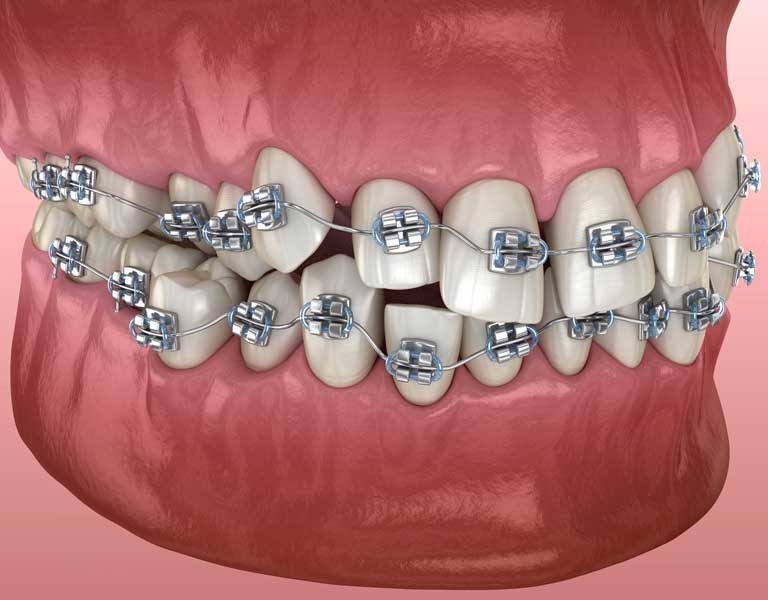
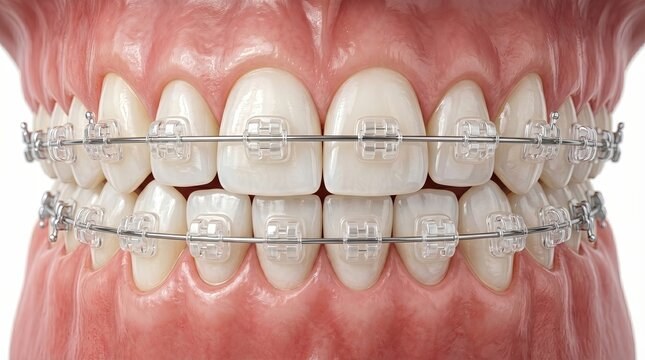
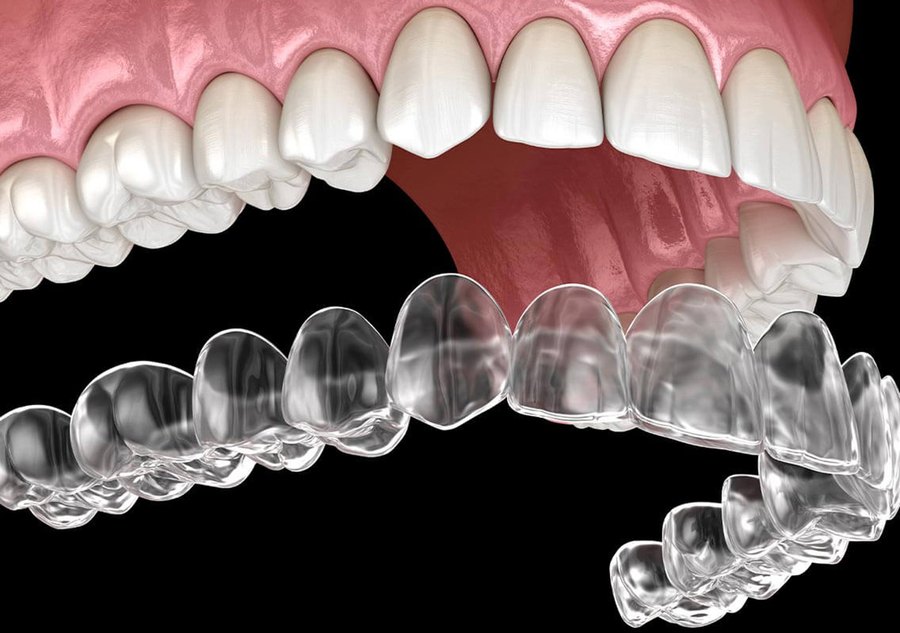
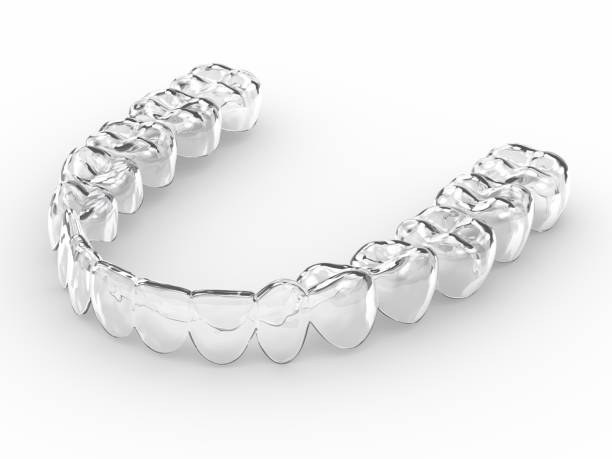
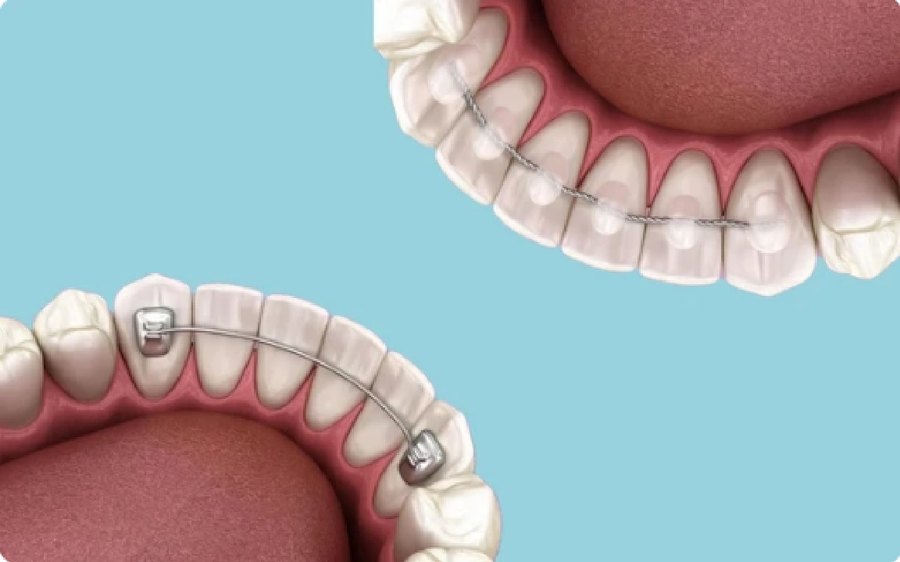
Illustrations are for explanation only. Your own appliances will look a little different.
- Metal traditional braces. Stainless steel brackets and wires that gradually move teeth into position. They are strong, effective for a wide range of cases including complex ones, and often the most budget-friendly option.
- Tooth-colored braces. Clear or ceramic brackets that blend in with your teeth, so they are less noticeable than metal. They work like traditional braces with a more discreet look, and they need careful brushing to stay clean.
- Invisalign clear aligners. A series of nearly invisible, removable trays that you change every week or two. They are popular with teens and adults who want a discreet option, and they work best when worn as directed.
- Retainers (removable). Clear or wire retainers you wear after treatment to hold your teeth in their new positions. We show you how long to wear them and how to care for them.
- Permanent retainers (bonded). A thin wire bonded behind the front teeth that holds them in place around the clock. They need a little extra flossing care, and we check them at your regular visits.
Which one is right for you depends on your bite, your age, and your lifestyle. We will explain the options and recommend one after your exam.
When to start
The American Association of Orthodontists recommends that children have a first orthodontic check-up by about age 7. That does not mean treatment starts then, but it lets us spot problems early and plan the best timing. Adults are welcome too, and it is never too late to straighten your teeth.
How treatment works
- ConsultationWe examine your teeth and bite, take x-rays and photos, and talk about your goals.
- Treatment planWe explain your options, how long treatment is likely to take, and what it will cost.
- Getting startedYour braces are placed, or you receive your first set of aligners.
- Regular visitsYou come in every several weeks so we can check progress and make adjustments.
- Finishing and retainersWhen your teeth reach their goal position, we remove your braces or finish your aligners and fit your retainers.
Caring for braces and aligners
- Brush after meals and clean between your teeth every day. Floss threaders or a water flosser make this easier with braces.
- With braces, avoid hard and sticky foods that can break brackets and wires.
- Wear aligners about 20 to 22 hours a day and take them out to eat and drink anything other than water.
- Wear your retainers exactly as directed, or your teeth can shift back.
Frequently asked questions
How long does orthodontic treatment take?
Many people finish in about 12 to 24 months, but treatment can be shorter or longer depending on how much movement your teeth need. We will give you an estimate at your consultation.
Do braces hurt?
Braces cause pressure and soreness for a few days after they are placed and after adjustments. Soft foods and an over-the-counter pain reliever usually take care of it.
Should I choose braces or Invisalign?
It depends on your bite, your age, and how reliably you can wear aligners. Braces work for almost every case. Aligners are a good choice for many mild to moderate cases when you wear them as directed. We will recommend an option after your exam.
What age should my child first see an orthodontist?
The American Association of Orthodontists recommends a first check-up by about age 7. Early evaluation helps us catch jaw and bite problems and choose the best time to treat.
Do I really need a retainer?
Yes. Teeth have a natural tendency to move back toward where they started. Wearing your retainers as directed protects the results you worked for.
Can adults get braces?
Absolutely. Many of our orthodontic patients are adults. Clear aligners and traditional braces both work well for adults.
Does insurance cover orthodontics?
Many dental plans include an orthodontic benefit, often with a lifetime maximum. Call us and we will help you understand what your plan may cover.