
Types of oral appliances
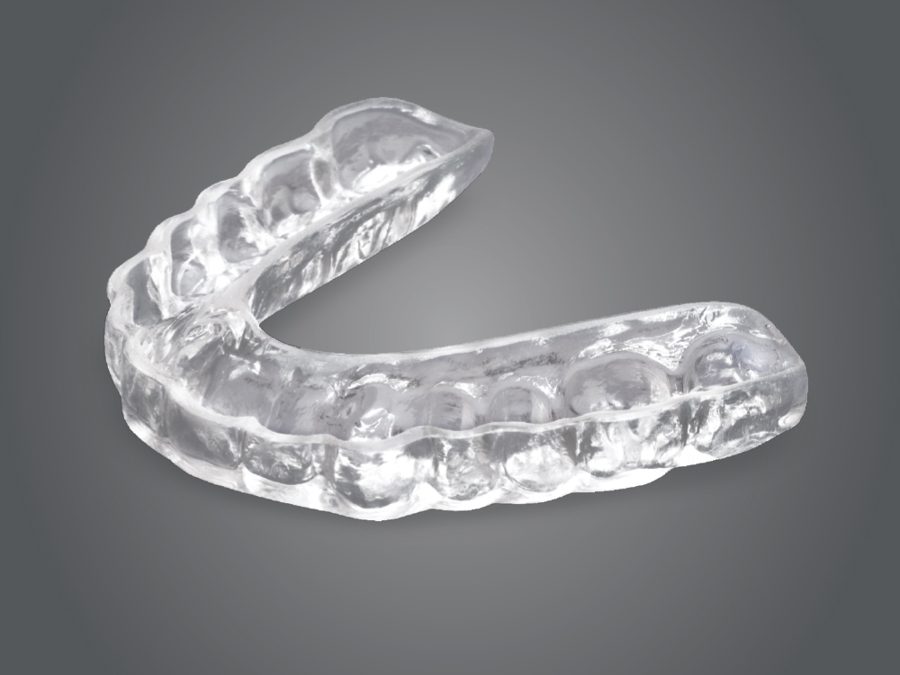
- Night guards fit over your teeth to protect them from grinding and clenching. They are made from impressions or scans of your teeth, so they fit better than store-bought guards.
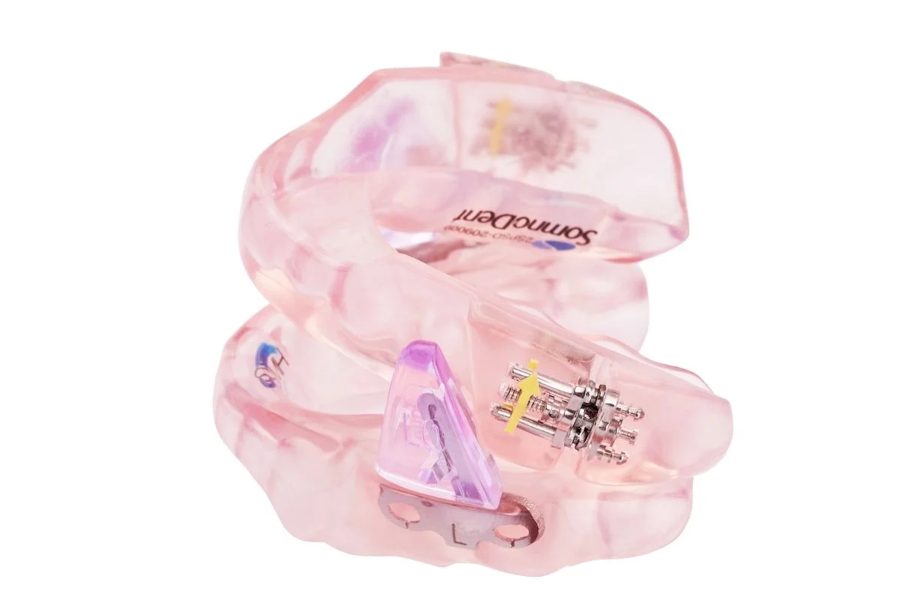
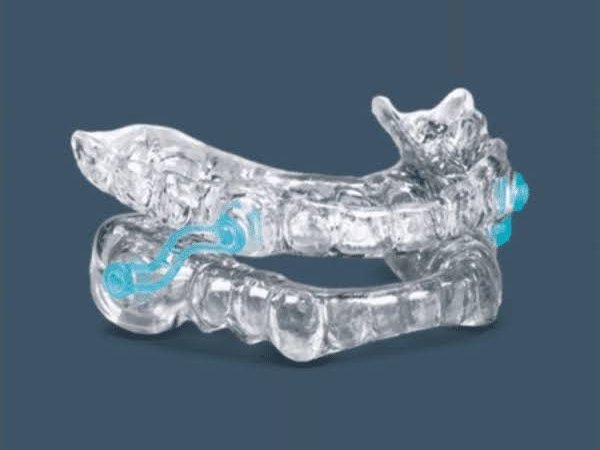
- Sleep apnea and snoring appliances hold your lower jaw slightly forward during sleep to help keep your airway open. They are used after a physician has diagnosed the problem.
- Splints for jaw discomfort may be recommended when jaw joint (TMJ) pain or muscle tension is related to clenching.
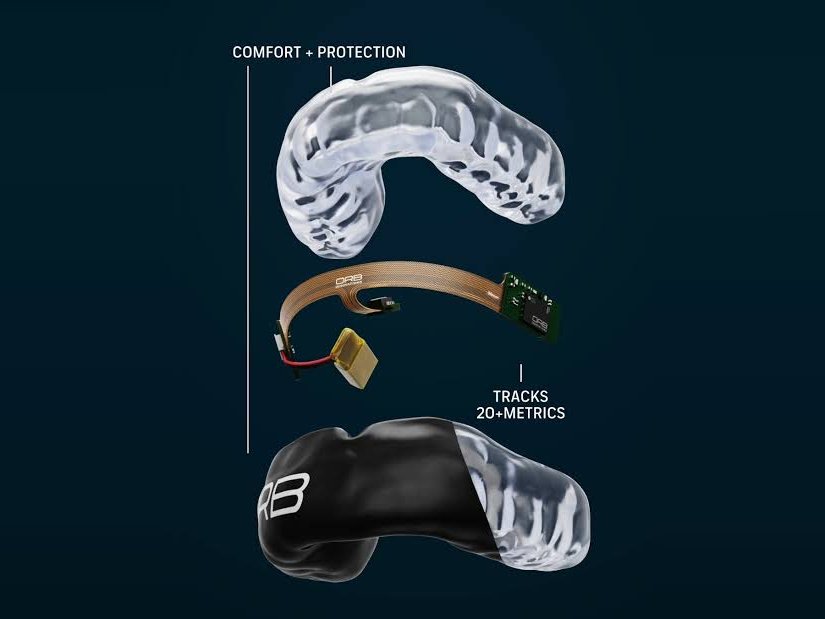
- Sports mouthguards protect your teeth and mouth during contact sports and other activities.
Signs you may benefit from a night guard
- Flat, worn, or chipped teeth
- Waking with a sore jaw or a headache
- Teeth that are sensitive for no clear reason
- A partner who hears you grinding at night
- Clenching during the day when you are stressed or concentrating
Snoring and sleep apnea
Obstructive sleep apnea is diagnosed by a physician, usually with a sleep study. For some people with snoring or mild to moderate sleep apnea, and for people who cannot tolerate a CPAP machine, a custom oral appliance may be an option. If your physician recommends one, we can make it, fit it, and follow up with you, and we will coordinate with your physician.
Getting an oral appliance, step by step
- Exam and discussionWe examine your teeth, gums, and jaw joints, review your health history, and talk about your symptoms. For sleep-related breathing problems, we ask for your physician's diagnosis and recommendation.
- Impressions or scanWe take impressions or a digital scan so your appliance is made to fit your mouth.
- FittingWhen your appliance is ready, we check the fit, adjust it, and show you how to wear and clean it.
- Follow-upWe check your comfort, your bite, and how well the appliance is working, and make changes as needed. Regular follow-up visits keep it working well.
Caring for your appliance
- Rinse it and brush it gently each day with a soft brush and mild soap or a cleaner we recommend.
- Keep it in its case when you are not wearing it, and away from heat, which can warp it.
- Bring it to every visit so we can check the fit and look for wear.
- Call us if it cracks, feels loose, or changes how your teeth or jaw feel.
Frequently asked questions
Is a custom night guard better than one from the store?
A custom guard is made from impressions or a scan of your own teeth, so it usually fits more securely and comfortably, and it is made of materials chosen for your bite. Store-bought guards are often bulky and may not stay in place.
Will a night guard stop me from grinding?
A night guard does not stop the grinding itself, but it protects your teeth, fillings, and crowns from the damage grinding can cause, and it can reduce strain on your jaw.
How long does an oral appliance last?
That depends on the type and on how hard you grind. Night guards wear down over time, so we check yours at your visits and replace it when it is worn.
Can an oral appliance treat sleep apnea?
For some people with mild to moderate obstructive sleep apnea, or those who cannot use CPAP, a custom oral appliance may be an option. It must be recommended by your physician after a diagnosis, and it requires follow-up.
Does it take time to get used to wearing one?
Most people need a few nights to adjust. Your teeth or jaw may feel a little different in the morning at first. If it keeps bothering you, call us and we can adjust it.
Does insurance cover night guards?
Coverage varies by plan. Call us and we will help you check what your plan may cover.