
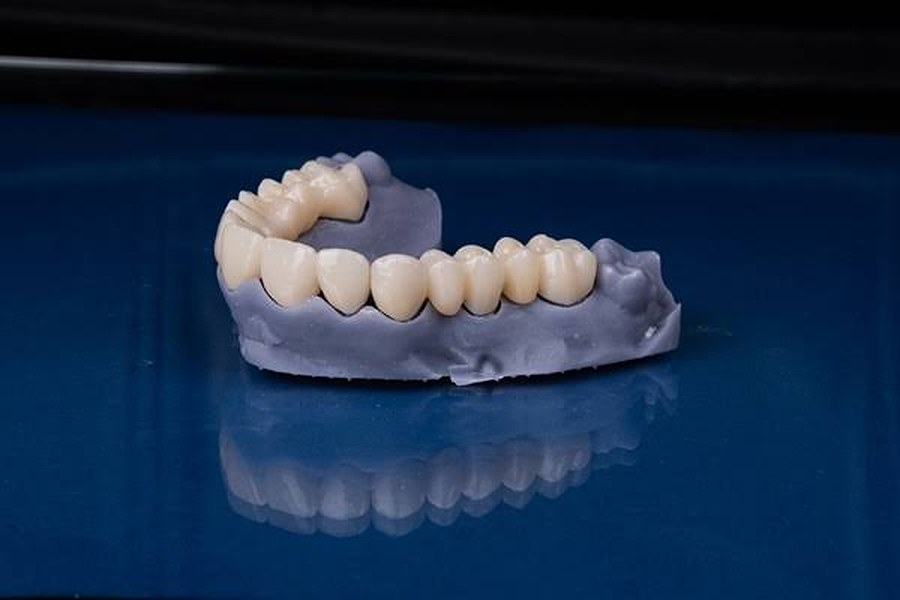
Signs you may need a repair
- Sensitivity to sweets, hot, or cold
- A visible pit, hole, or dark spot on a tooth
- Pain when you bite down
- A rough or chipped edge you can feel with your tongue
- A lost filling or crown
- Floss that catches or shreds in one spot
- A missing tooth that you would like to replace
Fillings
A filling repairs a tooth damaged by decay. We remove the decayed part of the tooth, clean the area, and fill it with tooth-colored composite resin that blends in with your natural tooth. The earlier a cavity is found, the smaller and simpler the filling, which is another reason regular checkups pay off.
Crowns
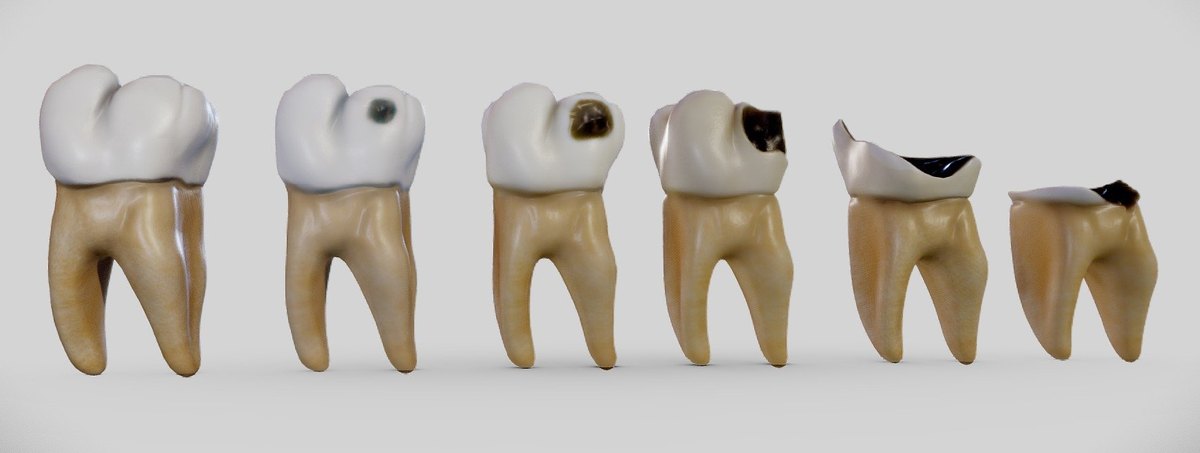
A crown is a custom-made cap that covers the entire visible part of a tooth, restoring its shape, strength, and appearance. We often recommend a crown when:
- A cavity or old filling is too large for a filling to hold up
- A tooth is cracked or weakened
- A tooth has had a root canal
- A tooth is badly worn or misshapen
- A dental implant needs its visible tooth
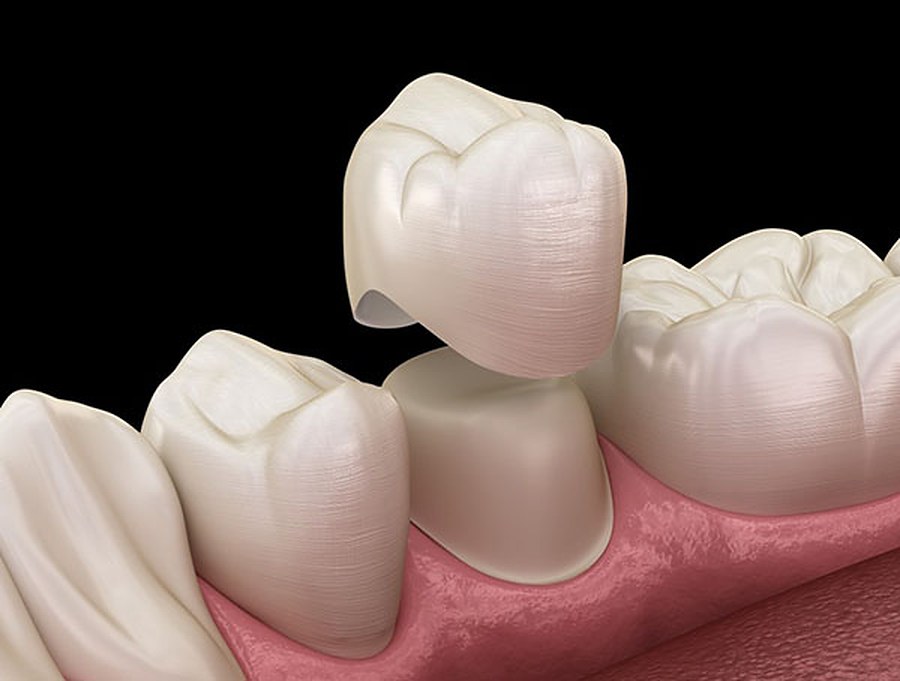
Crowns can be made from porcelain or ceramic, zirconia, metal alloys, or a combination. We will recommend the material that suits the location of the tooth and your bite.
Getting a crown, step by step
- Preparing the toothWe numb the area and shape the tooth to make room for the crown.
- Impression and temporary crownWe take an impression or scan of your tooth and place a temporary crown to protect it while your permanent crown is made.
- Making your crownA dental lab makes your crown to match your bite and the color of your teeth. This usually takes a couple of weeks.
- Fitting the permanent crownAt your second visit we check the fit and color, make any adjustments, and cement the crown in place.
Bridges
A bridge replaces one or more missing teeth by anchoring a custom-made false tooth to the teeth or implants on either side of the gap. It restores your smile and your bite, and it keeps nearby teeth from drifting into the space. We often recommend a bridge when:
- You are missing one or more teeth in a row and have healthy teeth on both sides of the gap
- The teeth next to the gap already need crowns, so they can support the bridge
- You want a fixed, non-removable way to replace teeth without surgery
- A dental implant is not right for you, or you would prefer a faster option. Implants can also support a bridge when several teeth are missing
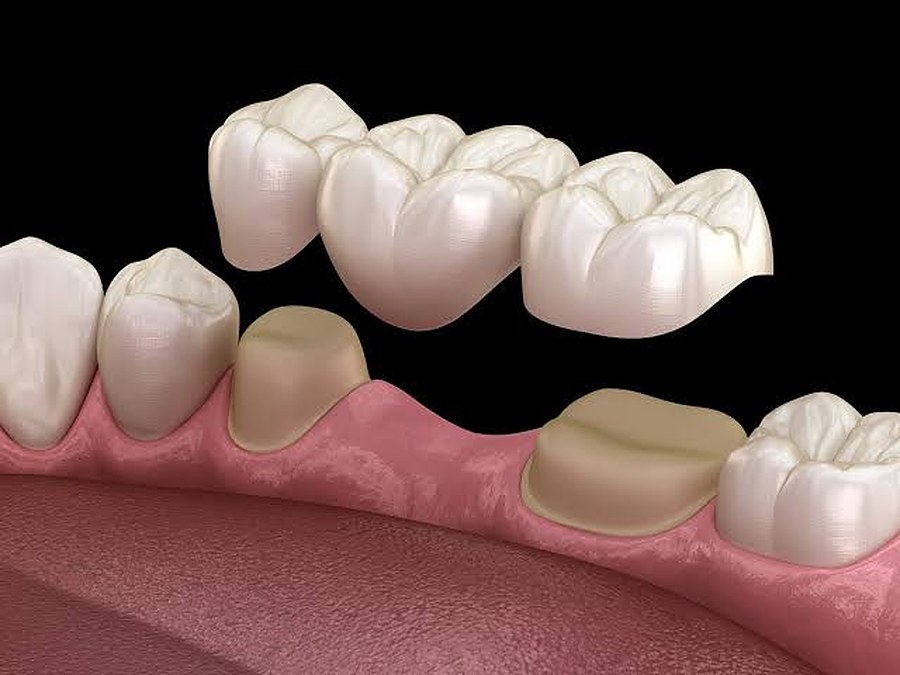
Like crowns, bridges can be made from porcelain or ceramic, zirconia, metal alloys, or a combination. We will recommend the material that suits the location of the teeth and your bite.
Getting a bridge, step by step
- Preparing the supporting teethWe numb the area and shape the teeth on either side of the gap so the bridge fits over them.
- Impression and temporary bridgeWe take an impression or scan and place a temporary bridge to protect the area while your permanent bridge is made.
- Making your bridgeA dental lab makes your bridge to match your bite and the color of your teeth. This usually takes a couple of weeks.
- Fitting the permanent bridgeAt your second visit we check the fit, color and bite, make any adjustments, and cement the bridge in place.
Making repairs last
- Brush and clean between your teeth every day, especially where a filling or crown meets the tooth.
- Avoid chewing ice, hard candy, and pen caps.
- If you grind or clench your teeth, ask us about protecting your teeth while you sleep.
- With a bridge, clean underneath it every day using a floss threader or a water flosser.
- Keep up with checkups so we can catch small problems around old work early.
Frequently asked questions
How do I know if I need a filling or a crown?
We decide after an exam and x-rays. A small to medium cavity can usually be fixed with a filling. A large cavity, a crack, or a tooth that has had a root canal usually needs a crown for strength.
Do fillings hurt?
We numb the area first, so you should not feel pain during the procedure. Your tooth may feel a little sensitive for a few days afterward.
How long do fillings and crowns last?
They can last many years, often a decade or more, but it depends on your habits, your bite, and how well you care for your teeth.
Can a tooth with a crown still get a cavity?
Yes. The tooth underneath, especially where the crown meets the gum line, can still decay. Brushing, cleaning between your teeth, and regular checkups protect it.
What should I do if I lose a filling or crown?
Call us. Keep the crown if you can, avoid chewing on that side, and do not use household glue. A pharmacy temporary dental cement can hold it briefly until we see you. See our emergency dentist page for more.
How long does a bridge last?
Bridges can last many years with good care. Brushing, cleaning underneath the bridge every day, and regular checkups protect the supporting teeth, which is what keeps a bridge in place.
Can you replace a missing tooth?
Yes. Depending on your situation, we can talk about dental implants, a bridge, or dentures.