
How a dental implant works
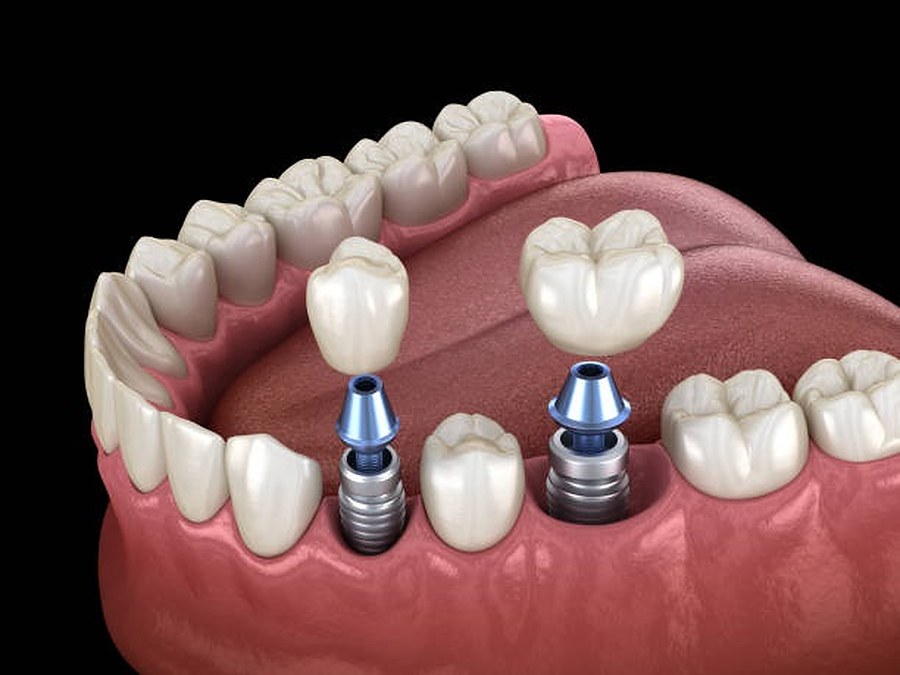
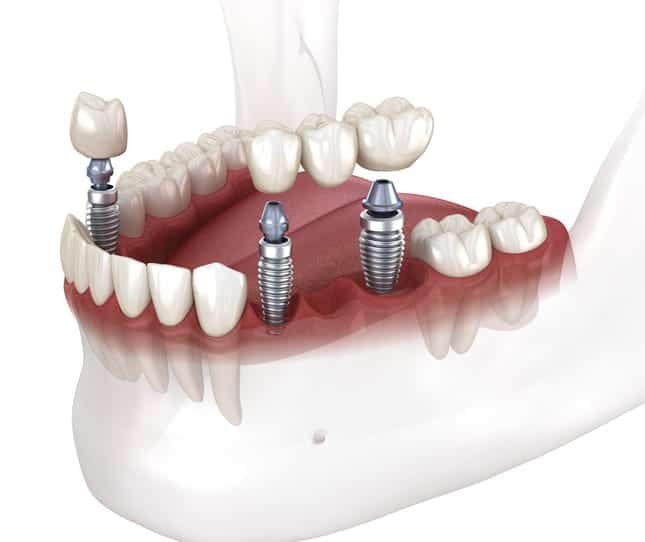
An implant has three parts that work together:
- The implant post. A small titanium post placed in your jawbone. Over time the bone bonds to it, which is what makes it so stable.
- The abutment. A connector that attaches to the post and holds the crown.
- The crown. The visible tooth, made to match the color and shape of your natural teeth.
Why people choose implants
- They look and feel like your own teeth, so you can eat, speak, and smile naturally.
- They help preserve your jawbone. Without a tooth root, bone in that area can gradually shrink.
- Unlike a traditional bridge, they do not require grinding down healthy neighboring teeth.
- With good care and regular checkups, they can last for many years, often decades.
Is an implant right for you?
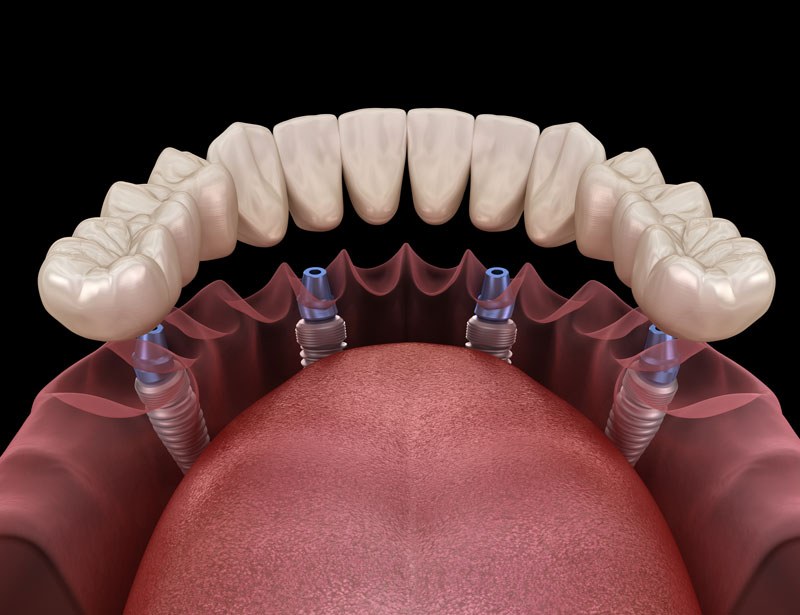
Good candidates generally have healthy gums and enough jawbone to hold the implant. If bone has thinned after tooth loss, a bone graft may be recommended first. Smoking, uncontrolled diabetes, and untreated gum disease can affect healing, so tell us about your health history at your consultation. An implant can replace a single tooth, several teeth, or help secure a denture.
What to expect, step by step
- Consultation and planningWe examine your mouth, review your health history, and take x-rays and any additional imaging we need. Together we decide on a plan and timeline.
- Preparing the siteIf a damaged tooth needs to be removed, or the bone needs a graft, we take care of that first and allow time to heal.
- Placing the implantThe post is placed in the jawbone with the area numbed. If you are anxious, ask us which sedation options may suit your procedure.
- HealingOver the following months the bone grows around the post and anchors it. You will have follow-up visits so we can check your progress.
- Abutment and crownOnce the implant is stable, we attach the abutment and your custom crown, then check your bite and fit.
Caring for your implant
An implant cannot get a cavity, but the gum and bone around it can still become infected. Brush twice a day, clean between your teeth daily, and keep your regular cleanings and checkups so we can catch gum problems early.
Frequently asked questions
Does getting a dental implant hurt?
The area is numbed during the procedure, and most patients describe it as more comfortable than they expected. Some soreness, swelling, and bruising for a few days afterward is normal and can usually be managed with the medication we recommend.
How long does the whole process take?
It often takes several months from implant placement to the final crown, because the bone needs time to heal around the post. Your timeline depends on whether you need an extraction or bone graft first. We will give you an estimate at your consultation.
How long do dental implants last?
The implant post can last many years, often decades, with good oral hygiene and regular checkups. The crown on top may eventually need to be replaced because of normal wear.
How much do dental implants cost?
The cost depends on how many teeth you are replacing, whether you need an extraction or bone graft, and the type of restoration. We will explain your options and costs before treatment and help you understand what your insurance may cover. Coverage for implants varies by plan.
What is the difference between an implant and a bridge?
A bridge uses the teeth on either side of the gap as anchors, and it is usually quicker and does not involve surgery. An implant stands on its own and helps preserve bone, without altering neighboring teeth. We will walk through the pros and cons for your situation.
Can I get an implant if I have gum disease?
Gum disease needs to be treated and under control first, because infection can interfere with healing. We will check your gums at your consultation and let you know the best order of treatment.